
Guide · Wilmington and Cape Fear
Do you need an electrical permit?
Swapping a light fixture usually doesn't need one. A new circuit, a panel upgrade or a generator does. Here's how electrical permits work for homeowners in New Hanover, Pender and Brunswick counties.
By PJ Hofer, licensed electrician (NC U.35874) · October 22, 2026
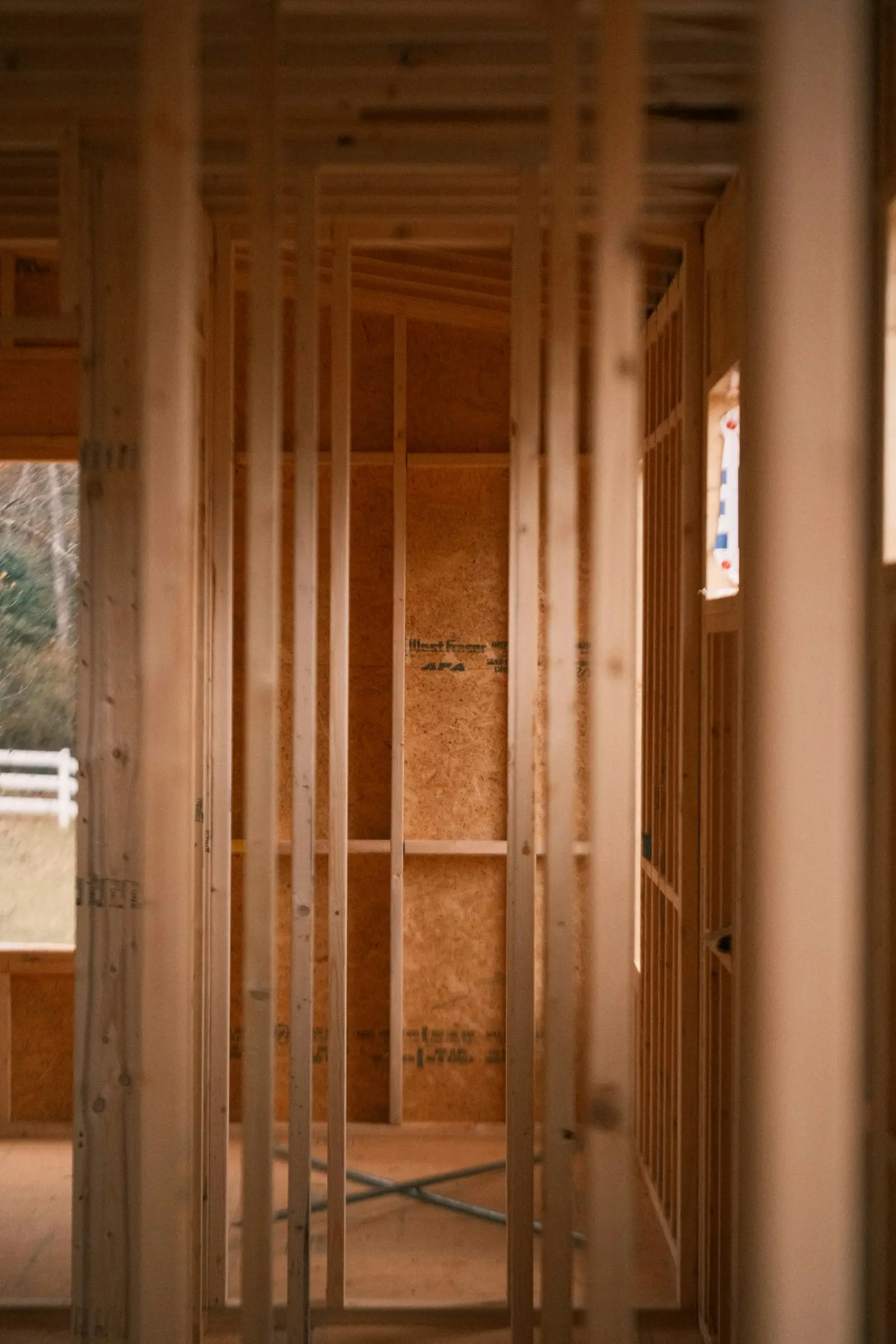
Permits can feel like red tape. They exist for one reason: a second set of trained eyes on work that, done wrong, can start a fire or hurt someone.
Here's how electrical permits generally work for homes in New Hanover, Pender and Brunswick counties.
Work that usually needs a permit
- adding a new circuit or outlet where there wasn't one
- a panel or service upgrade
- a generator, transfer switch or interlock
- an EV charger circuit
- rewiring all or part of a house
- electrical work in a remodel or an addition
- a hot tub, pool equipment or a detached garage or shop
Work that usually doesn't
- replacing a light fixture, switch or outlet in the same spot
- swapping a ceiling fan where a fan-rated box already exists
- replacing a breaker of the same type and size
When you're not sure, ask before you start. It's easier than tearing work back out for an inspector.
North Carolina's homeowner exemption
North Carolina law (G.S. 87-43.1) lets an owner do electrical work on their own home under specific conditions. Generally the owner has to live in the home and can't sell or rent it for a period after the work is done. The owner still pulls a permit and the work still gets inspected.
The details differ between counties and towns, so call your inspections office before you start. In most of the county, that's New Hanover County Building Safety.
When you hire an electrician
The licensed electrical contractor pulls the permit. That puts their license behind the work. We schedule the inspection, meet the inspector on site and fix anything they flag.
If a contractor suggests skipping the permit to save time or money, that's a red flag.
Why it matters later
- Selling your home. Buyers' inspectors look for unpermitted work, and it can hold up or kill a sale.
- Insurance claims. After a fire or storm, an insurer may ask whether the work was permitted and inspected.
- Safety. An inspection catches mistakes while the walls are still open.
The bottom line
If it adds something new, changes your panel or happens inside an open wall, assume it needs a permit. Ask your electrician, and get the answer in writing with your quote.
Quick answers
What electrical work needs a permit in North Carolina?
New circuits, panel and service upgrades, generators and transfer switches, EV chargers, rewiring and most work done during a remodel or addition generally need a permit and inspection. Replacing a fixture, switch or outlet in the same location generally does not, but confirm with your local inspections office.
Can a homeowner do their own electrical work in North Carolina?
North Carolina law (G.S. 87-43.1) allows an owner to do electrical work on their own home under specific conditions, generally that they live in it and do not sell or rent it for a period after the work. The owner still needs a permit and an inspection. Check the exact rules with your county inspections office first.
Who pulls the permit when I hire an electrician?
The licensed electrical contractor doing the work pulls the permit, schedules the inspection and is responsible for the work passing.
Talk to an electrician, not a call center.
Hofer Electrical is licensed and insured in North Carolina. When you call, you talk to PJ, the owner.